Posts Tagged: Dolly Sods Wilderness
Interrupted Fern on Dolly Sods
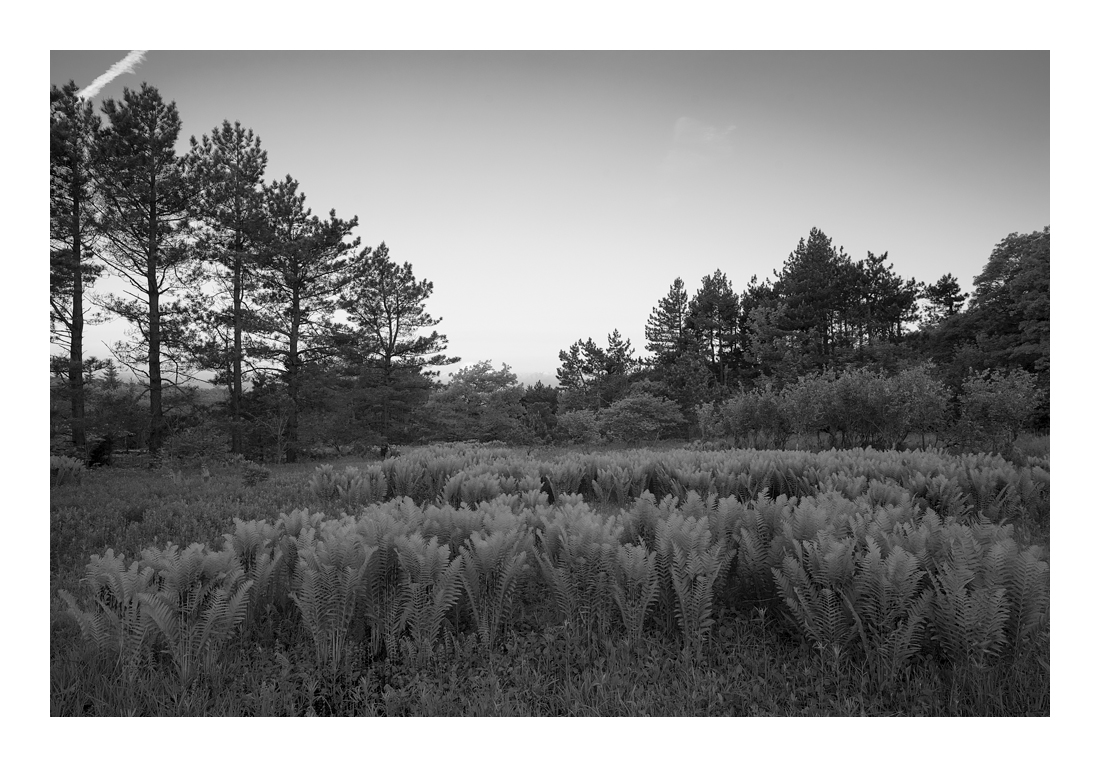
Osmunda claytoniana.
21mm Zeiss Distagon ZF.2, Sony A7r, Lr 5, Ps CS6.
Hybrid Wild Azalea

This story is probably more interesting than the photo. Do you see the ruffled edges on the petals? I’ve read that this is a pretty good indication of hybridization. This is on Dolly Sods, so certainly one parent is roseshell (prinophyllum). The other is likely flame (calendulaceum), though I have never seen flame on the front. There was no fragrance that I could detect.
50mm Zeiss Makro-Planar ZF.2, Sony A7II, Lr 5, Ps CS6.
Mountain Laurel
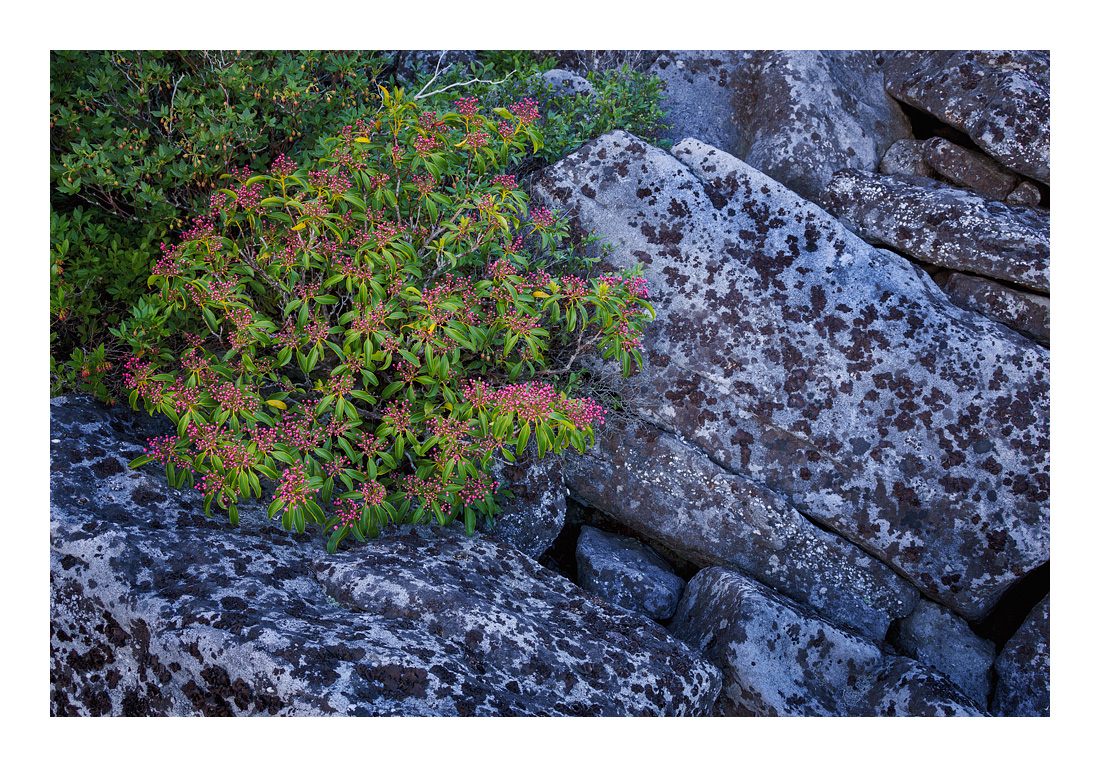
Kalmia latifolia, full of flower buds. This was at dusk, May 30, 2015, on Dolly Sods.
28-90mm Leica Vario-Elmarit R, Sony A7r, Lr 5, Ps CS6.
More from Foggy Bottom
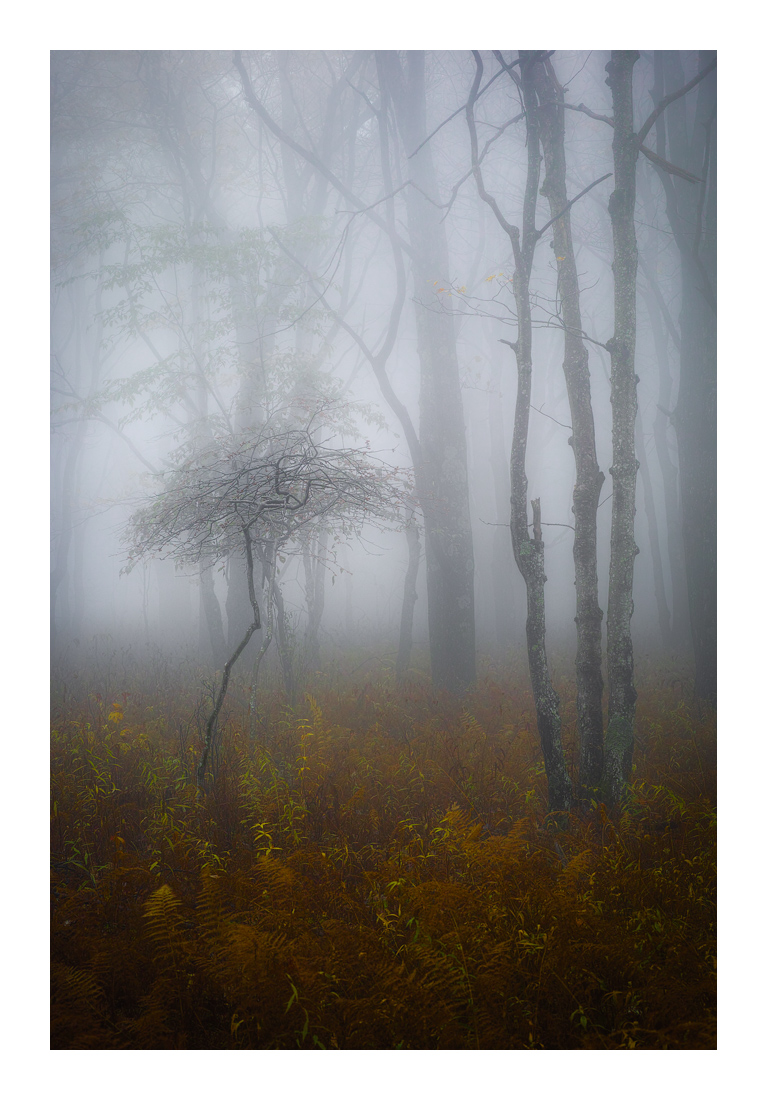
Ilex montana in Dolly Sods Wilderness, one of at least four native shrubs known locally as mountain holly.
Sigma DP3 Merrill, Sigma Photo Pro, Lr 5, Ps CS6.
Hawthorns on Dolly Sods
 In a way this image has been brewing for a good 30 years. Some of you will not understand, particularly after looking at what I think will not be a well received image. None the less, here it is.
Hawthorn, Crataegus sp. (no idea which), Wind Meadow in Dolly Sods Wilderness. I spent four days in the highlands recently. This is the first of what I believe will be many from that trip. Had a great time, and met some interesting people who are also photographers.
21mm Zeiss Distagon ZF.2, Nikon 800e, Lr 5, Ps CS6.
Bear Oaks – Dolly Sods
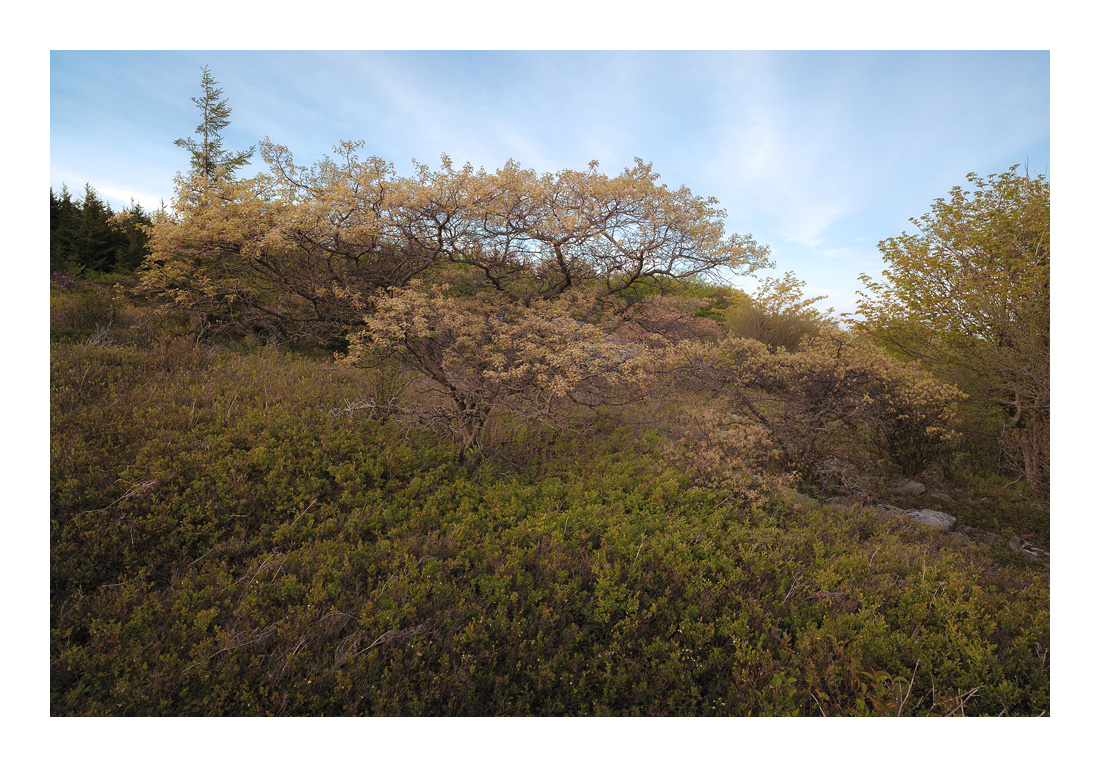 Bear oak unfurling new leaves, Quercus ilicifolia. This was at dusk a few years ago. For some reason I never did anything with the images in this group, probably because they are a little soft in places. But I love the soft light of dusk and the gentle color pallet here. I would love to have a couple of bear oaks as bonsais, but they do not transplant well and probably would not like pot life because of their need to grow a significant tap root. I would never collect one from a wilderness anyway.
This spot in Dolly Sods has special meaning for me. It is the symbolic final resting place for my daughter Erin, who died in 2008, and will be the resting place for my father’s ashes. And, if I can find someone to do it, it will be my final resting place as well.
Did I mention that I was honored by being chosen to exhibit along with a handful of other nationally known photographers (Clyde Butcher, Marc Muench, etc.) who photograph in wilderness areas? This will be the official national celebration of the Wilderness Society for the 50th anniversary of the passage of the Wilderness Act. The celebration will be held in Warren to honor Howard Zahniser, the principal author of the Wilderness Act. For those of you who are local and know my friend and colleague Ed Zahniser, Howard was Ed’s father.
21mm Zeiss Distagon ZE, Canon 5D Mk II, Lr5.5, Ps CS6. After years of using this lens in the ZE and now ZF.2 iteration I am just now learning how to be successful with this extraordinary lens in the landscape. I always avoid ƒ16 like the plague because of diffraction effects. But because this lens is as sharp as a razor in the center and has severe field curvature, ƒ16 is necessary to kind of smooth it all out. It tones down the sharpness in the center a bit and overcomes the field curvature. Unfortunately this image was shot at ƒ8. But I am going to exhibit it anyway, perhaps this fall in the Wilderness Society 50th Anniversary exhibit in Warren Pennsylvania.
Red Pine on Dolly Sods
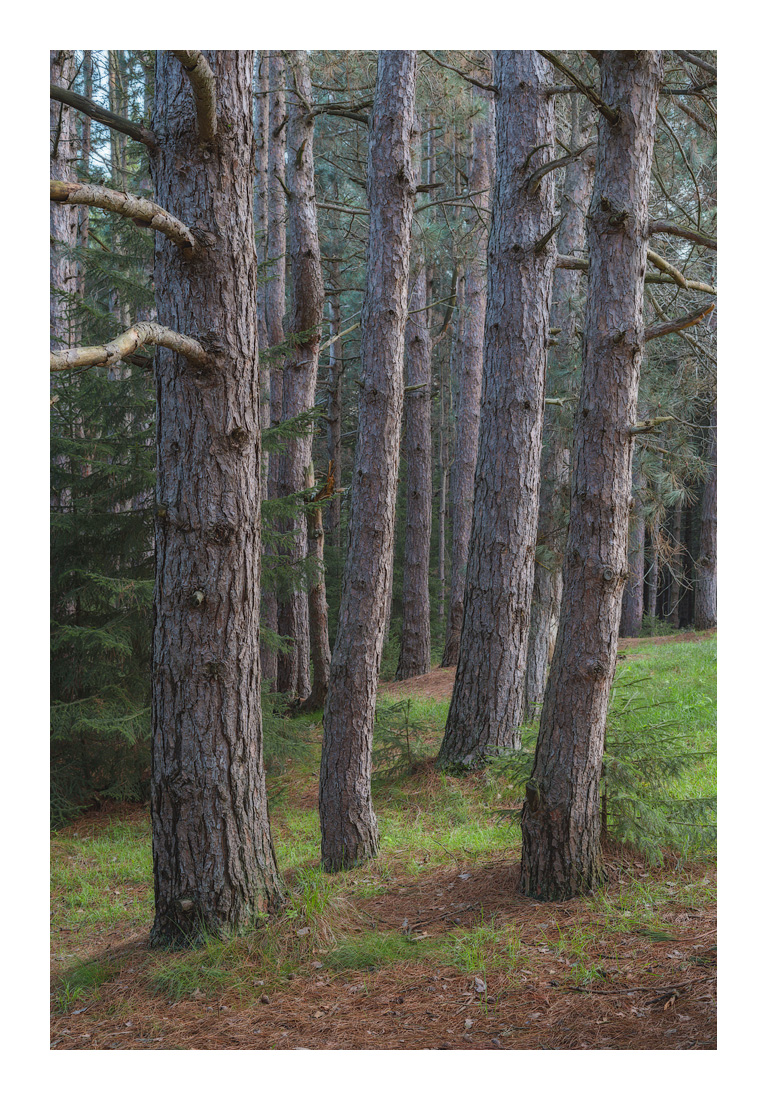 Pinus resinosa. While the distribution map shows a couple of small spots in the Monongahela National Forest, its native range is largely in Canada extending south to northern Pennsylvania. They are doing well here in the northern boreal forests and heath barrens of these mountain tops, but they were planted here. I am guessing they were planted by the CCC (Civilian Conservation Corps) in the 1930s – 40s after the massive deforestation of the native red spruce (Picea rubens) and balsam fir (Abies balsamea) by the logging industry. There are even a few Norway spruce (Picea abies) in some spots, but fortunately not many.
The Dolly Sods we know today is very different from what it was in 1900. After the total clear cutting of these mountain tops, the forest duff – estimated to be from 4 to 12 feet thick – and all the branches and tree tops left from the logging dried out and burned. The fires must have been intense because it burned the duff down to bedrock in many places. I suspect the heath barrens didn’t exist at all before then. It will be thousands of years before these mountain tops regain their former mantle of huge red spruce – 3 feet in diameter. That assumes climate change doesn’t prevent it from occurring. And the really sad thing is this was all done to provide pulp for newsprint. Nothing more lasting or significant than that. There is a lesson here, but sadly those who most need to learn it will not be aware of it.
I know I am preaching to the choir, but the idea that we are somehow apart from nature and that nature is here for us to exploit is just wrong. Nobody gave us dominion over anything – we stole it, without any sense of responsibility.
50mm Zeiss Makro-Planar ZF.2, Nikon 800e, Lr5, Ps CS6.
Pinxter Azalea on Dolly Sods
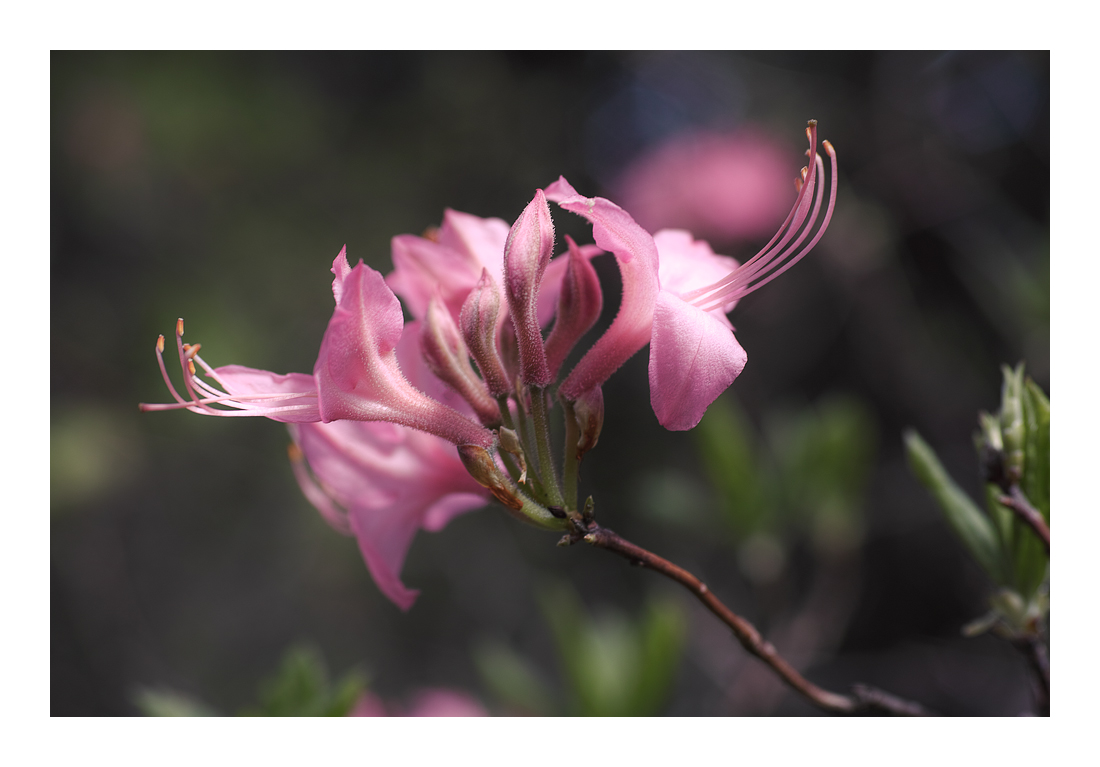 Rhododendron periclymenoides, one of our native and deciduous azaleas. I learned today that azaleas are toxic, including even their nectar.
Sigma DP3 Merrill, Sigma Photo Pro, Ps CS6.
Shadbush
 Shadbush, serviceberry, sugarplum, juneberry, wild pear, wild plum, and a few other common names are used for the genus Amelanchier, a bush or small tree that is at its most diverse in northeastern North America. Which is the excuse I will use for not knowing the species name for this specimen. This was in Dolly Sods on April 19 of this year… nothing in bloom. At about this time in a previous year the shadbush were in full bloom. Since nothing else up there blooms that early I got a sense of just how many shadbush there are there, which is to say many! The blossoms don’t last long. The one on my property in Flatland was at its peak for no more than two days. I hope to see them on Dolly Sods again this year.
35mm Sigma A, Nikon 800e, Lr5, Ps CS6.
