Posts Tagged: Canon 5D Mk II
North Fork Mountain
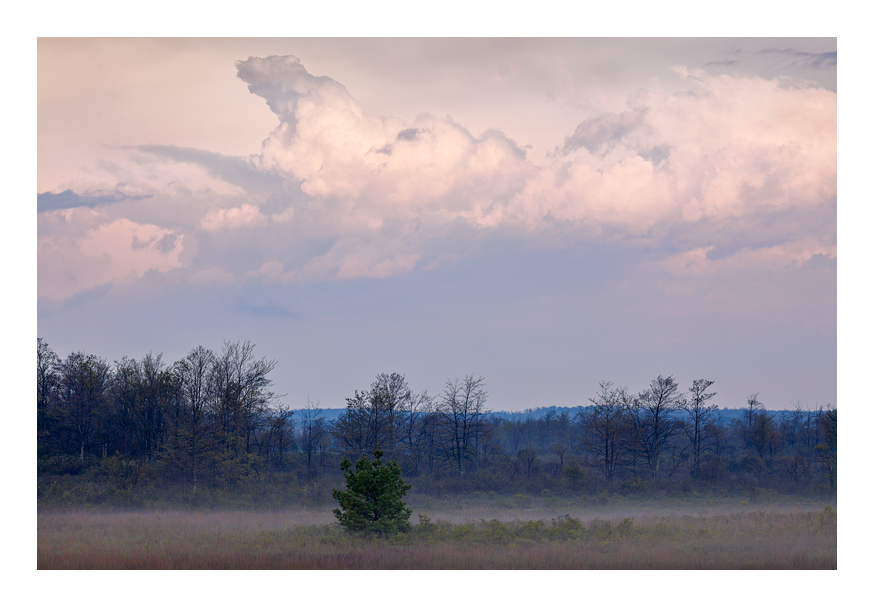
 North Fork Mountain from Dolly Sods on the Allegheny Front. This is a three-frame panorama I shot a couple of years ago. I finished the file work and printed it recently to be exhibited in connection with the Conservation Film Festival. Actual printed size is five feet long. This image is currently on display at The Bridge Gallery in Shepherdstown.
100mm Zeiss Makro-Planar ZE, Canon 5D Mark II, Aperture 3, Ps CS6.
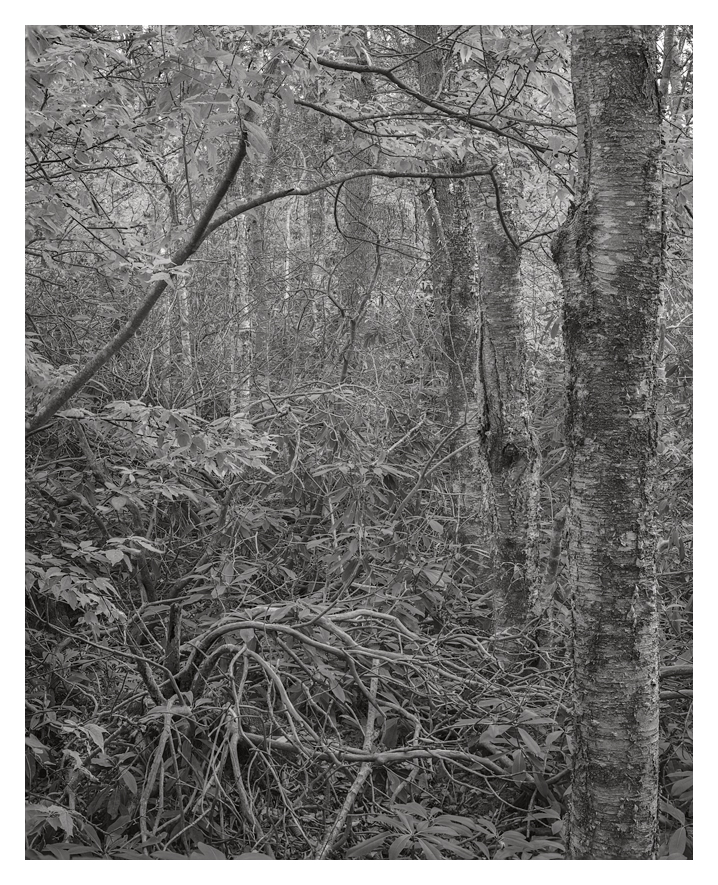
Winter at Rattlesnake Run
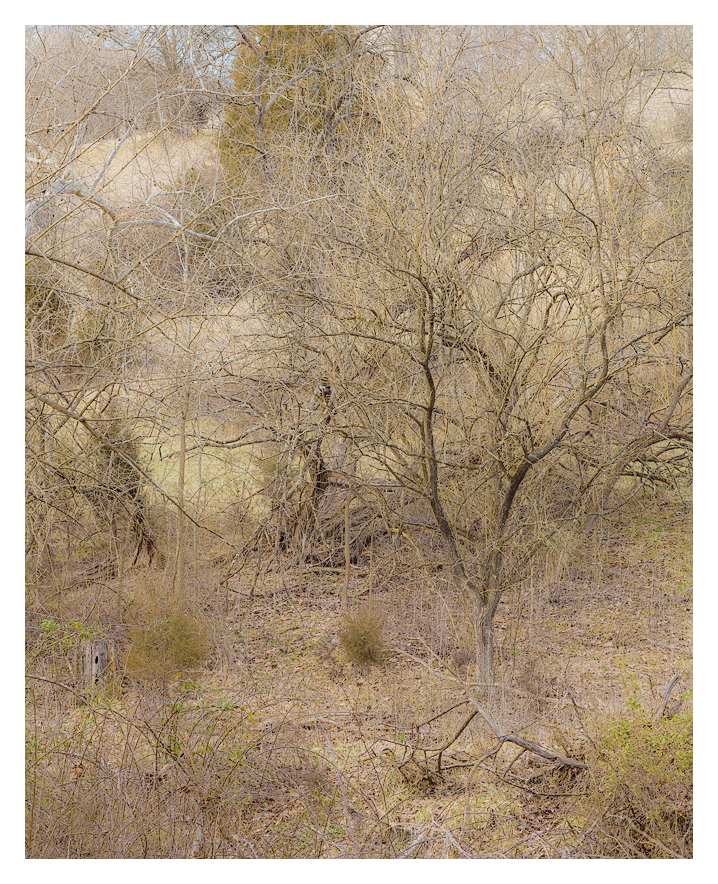 I know this is a pretty loose composition, even for me. But it is structured. It is a tree portrait as well as a portrait of the little valley this spring creek flows through. The trees are osage orange, Maclura pomifera, a North American native imported to the east from the midwest. I don’t know why but I take considerable and almost physical pleasure in the unique structure of each species of tree. It is remarkable that each individual tree can be completely unique in form, yet conform to the structure of the species to the extent that it makes visual sense. Maybe another way to say it is that within the framework provided by its genetics a tree is free to respond over time to the unique circumstances in which it lives.
80-200mm Zeiss Vario-Sonnar CY, Canon 5D Mk II, Lr4, Ps CS6.
Late Summer – Schoolhouse Ridge
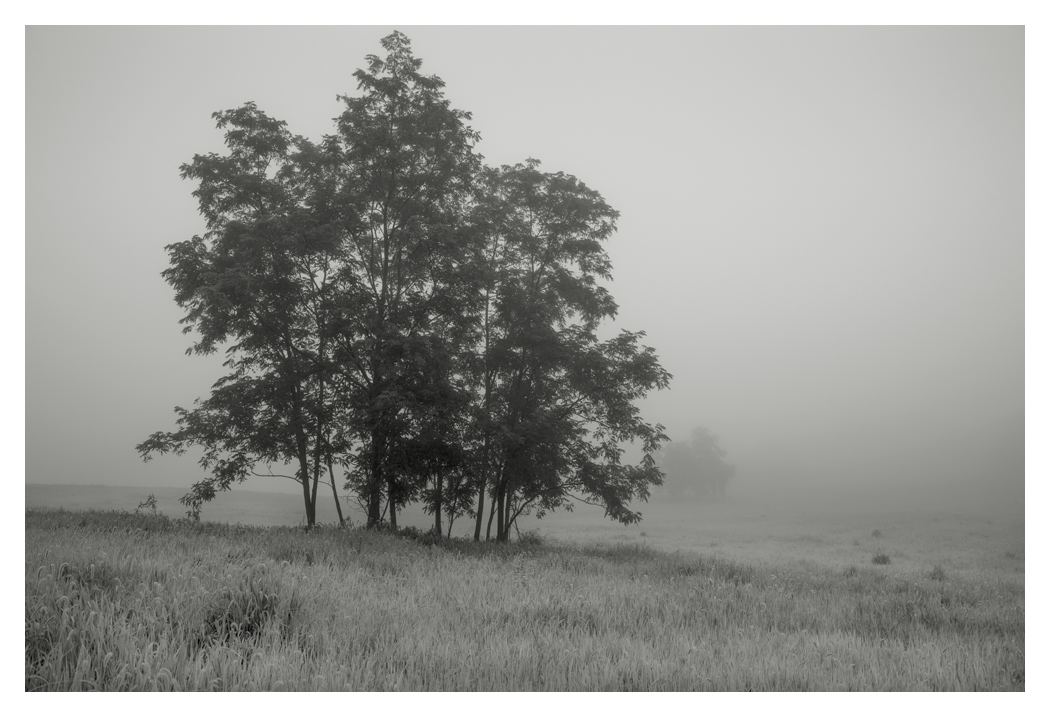
The same copse of young black locust, Robinia pseudoacacia, as the last post but in late summer a year and a half later on a beautiful foggy morning.
28-90mm Leica Vario-Elmarit, Nikon 800e, Lr4, Ps CS6.
Winter – Schoolhouse Ridge
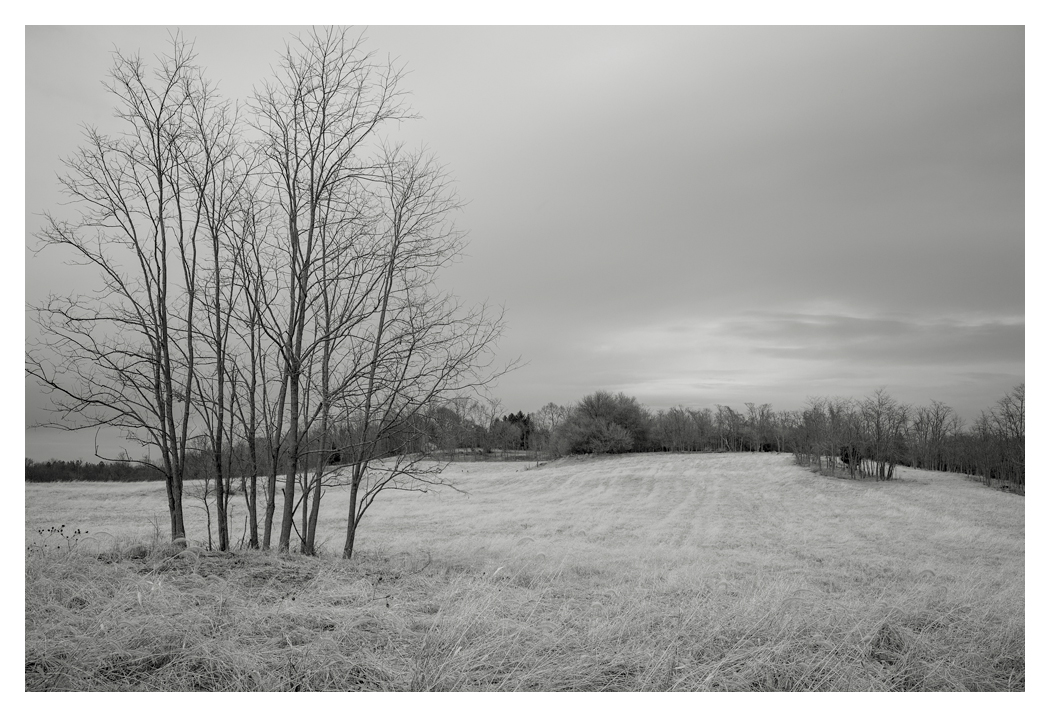 A copse of young black locust, Robinia pseudoacacia, in winter. The inherent edginess of the Canon 5D Mark II is evident here. See the next image for a late summer image of the same scene from a slightly different angle.
35-70mm Zeiss Vario-Sonnar CY, Canon 5D Mark II, Lr4, Ps CS6.
Schoolhouse Ridge Redux
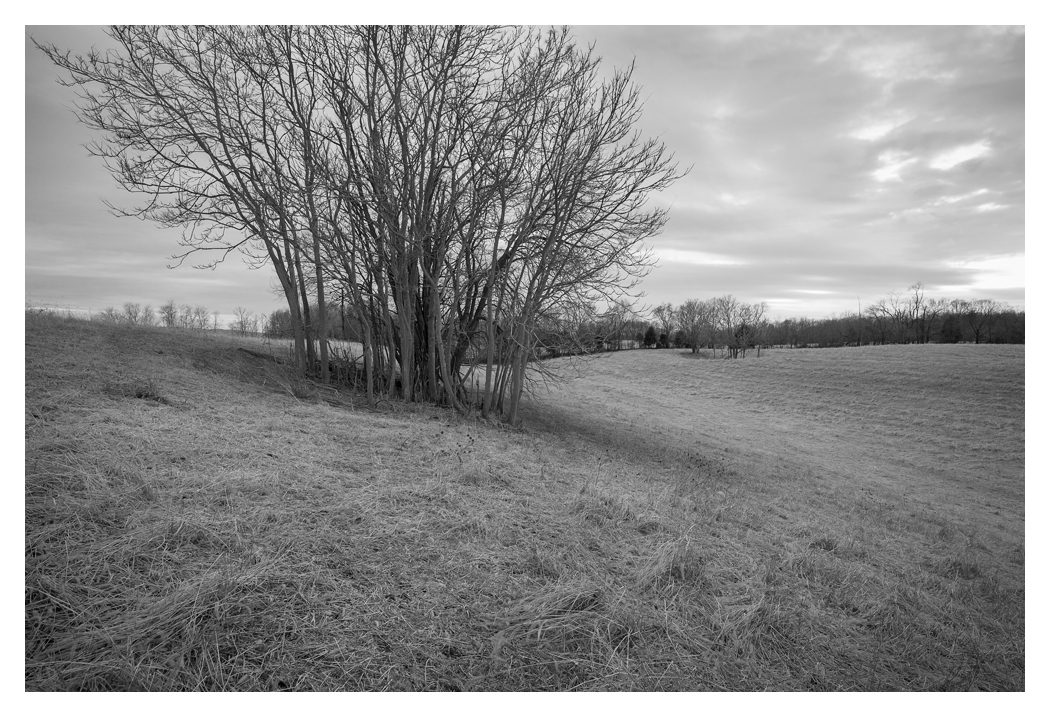 For some reason the series of images from this day have been coming to mind. It was over a year and a half ago, February 2012, and made with my old Canon 5D2. The files from that camera were occasionally very good, but usually for landscapes like this they were edgy and not at all robust. Smaller details like tree trunks and branches tended to lose a sense of volume, even with Zeiss glass. I reworked a couple of these raw files with Lightroom to see if perhaps it would handle them better than Aperture did. Not really.
But the sense of the shape of the earth itself is well preserved here. The trees are growing out of a sink hole. There is another to the right and back near the treeline. There are caves under this land.
21mm Zeiss Distagon ZE, Canon 5D Mark II, Lr4, Ps CS6.
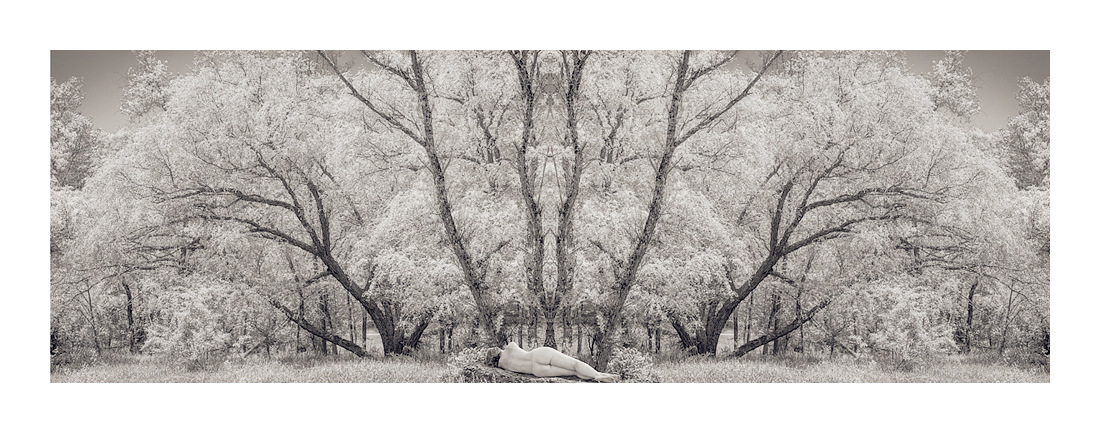
Sunrise from the Allegheny Front
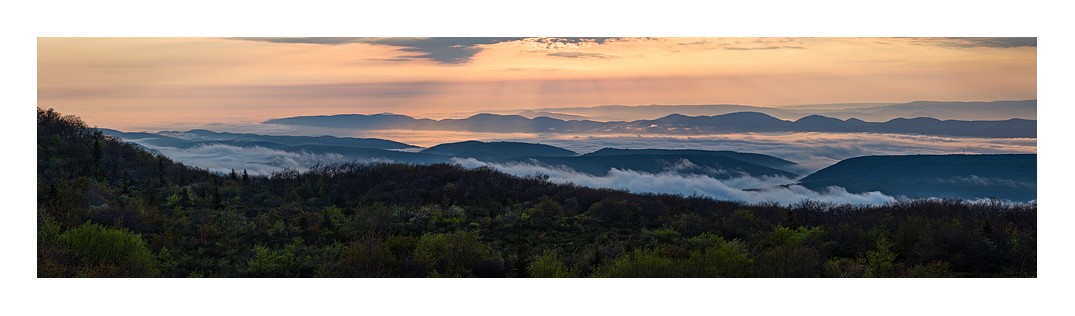 May of last year. This is a three frame panorama, 61 inches wide at 360 ppi. There is a dramatic loss of visual information scaling down to 10 inches at 100 ppi.
100mm Zeiss Makro-Planar ZE, Canon 5D Mk II, Lr4, Ps CS6.
Cold!
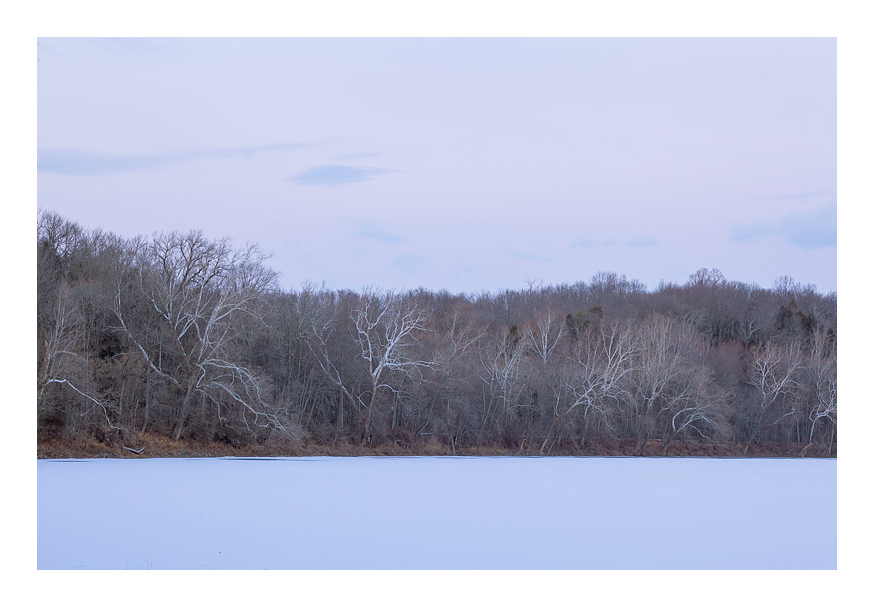 A very cold dusk on the Potomac a couple of years ago.
100mm Zeiss Makro-Planar, Canon 5D Mk II, Lr4, Ps CS6.