Posts Tagged: Roaring Plains
Foreknobs Below Roaring Plains
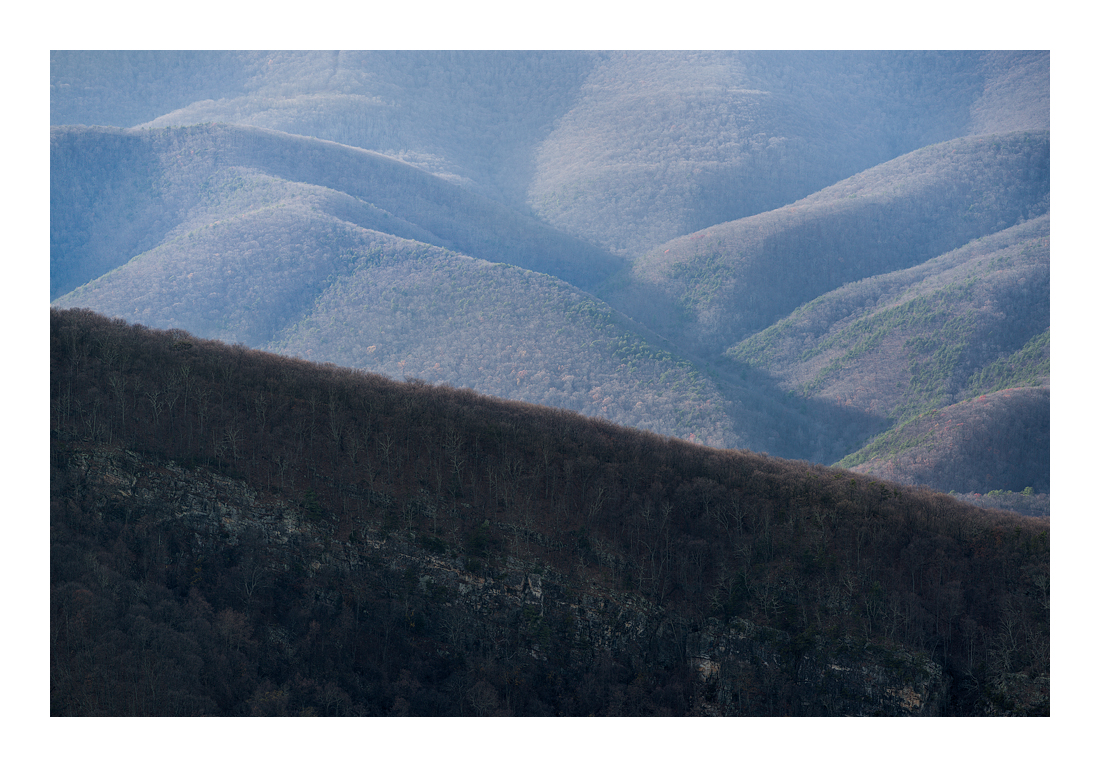
The Devonian Foreknobs below Roaring Plains from North Fork Mountain. Don’t know how well this conveys at this small size. This is looking across the North Fork Valley with a long lens. The distance is perhaps three miles, maybe four. Roaring Plains is on the Allegheny Front, way above these foreknobs. According to Wikipedia: Upper Devonian Greenland Gap Group (“Chemung Formation”) along Allegheny Front in West Virginia.
80-200mm Zeiss Vario-Sonnar CY, Sony A7r2, Lr 6, Ps CS6.
On Roaring Plains
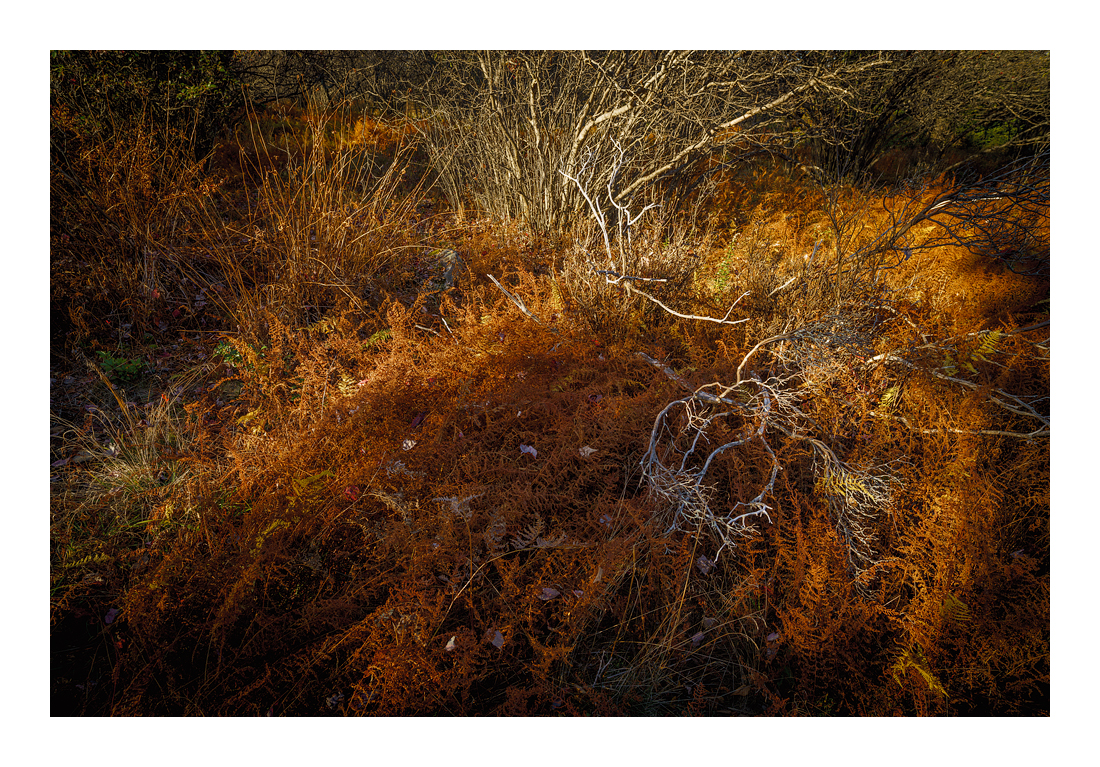
This image is somewhat experimental for me. I know what caught my attention and it is presented here, but what I question is if it is compelling for others. I learned a long time ago that my visual sensibilities are somewhat different from that of most people.
50mm ƒ1.4 SMC Takumar m42, Sony A7r2, Lr 6, Ps CS6.
Ancient Hawthorn
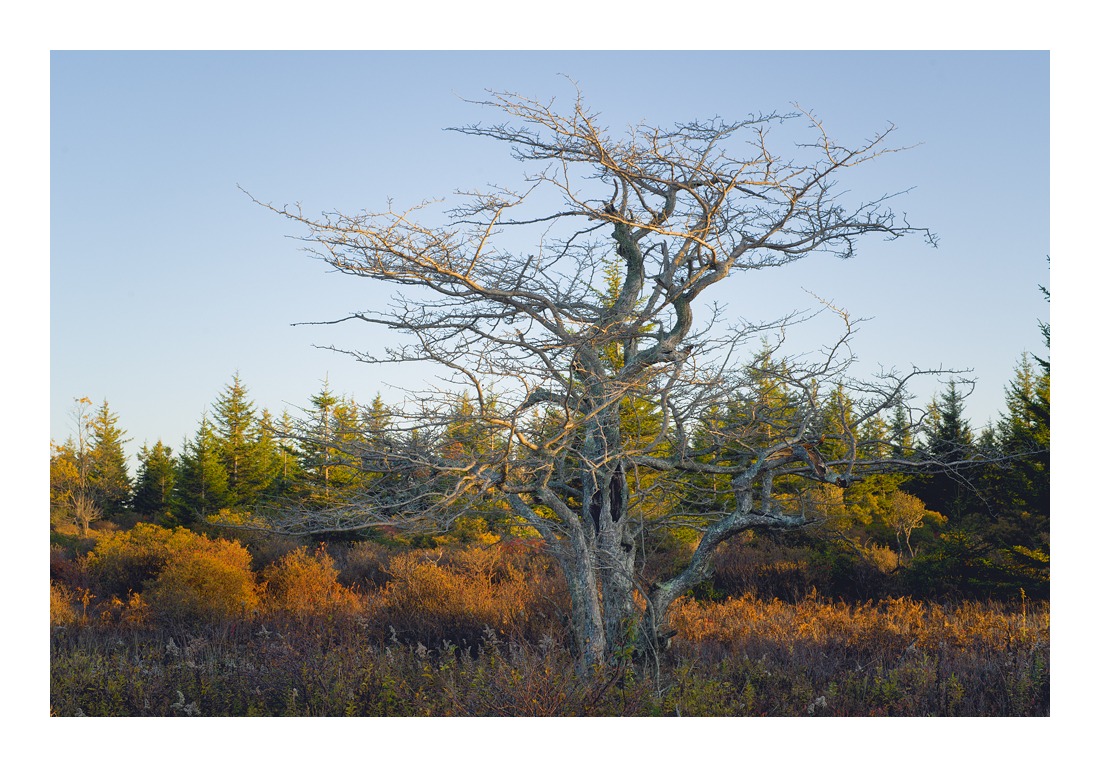
Roaring Plains hawthorn, Crataegus sp. Probably a pioneer just after the spruce were cut and the fires died down. That would make it just about 100 years old. Living this long and attaining this size in as harsh and windswept an environment as Roaring Plains is a testament to just how hardy these hawthorns are. It isn’t called Roaring Plains for nothing.
50mm Takumar m42, Sony A7r2, Iridient Developer 3, Ps CS6.
Another View from Roaring Plains
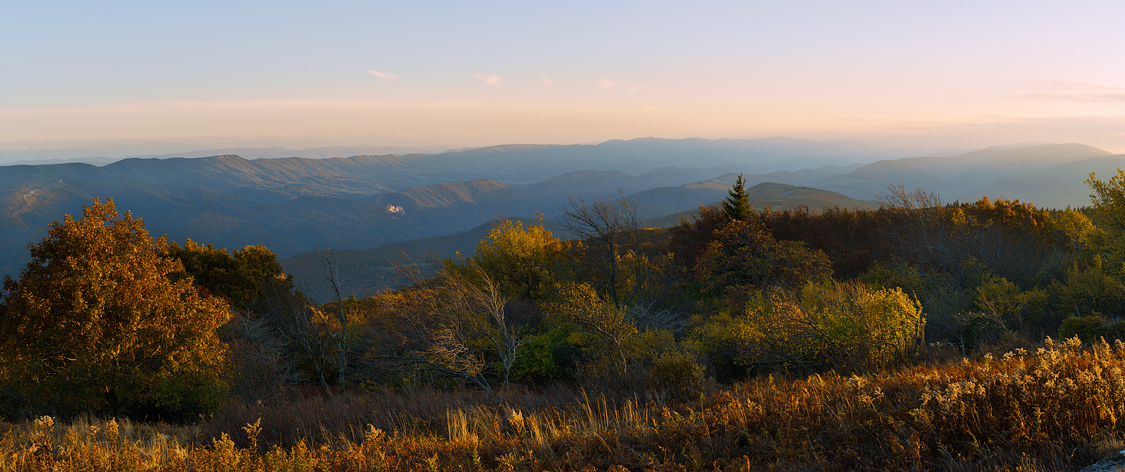
It is hard to appreciate at this small size, but this is a view south from the Hidden Passage overlook of Roaring Plains East. North Fork Mountain is across the valley and runs from the left edge to disappear into the distant haze near the right edge. The sunlit peak on the far right might be Mount Porte Crayon, but don’t quote me on that one.
Update: Upon further study I believe that is Green Knob and Haystack Knob in the distant far right.
This is a stitched two-frame, 36 inch wide panorama when printed at the intended size. 50mm SMC Takumar m42, Sony A7r2, Iridient Developer 3, Ps CS6.
The Centurion Revisited
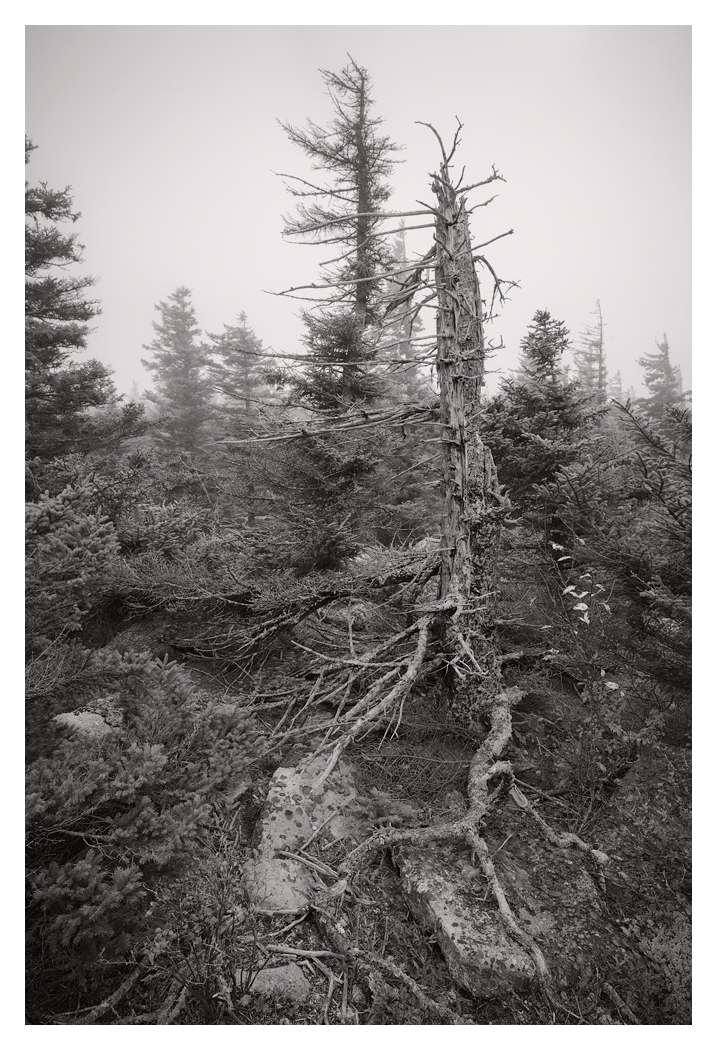 My friend Sergey Zlotnikov, a master photogravure printer, suggested upon seeing the color version of the Centurion that it would make “a good plate.” His perception of how well it might work as monochrome is right on! Still not sure how this would translate in photogravure but it might be time to find out. This image has an unusual mix of hard and soft tonal transitions, so would be telling for testing alternative printmaking processes. I know from past experience that it would work very well in platinum, and of course it will make a dandy inkjet print.
21mm Zeiss Distagon ZF.2, Nikon 800e, Lr4, Ps CS6.
Prong Trail
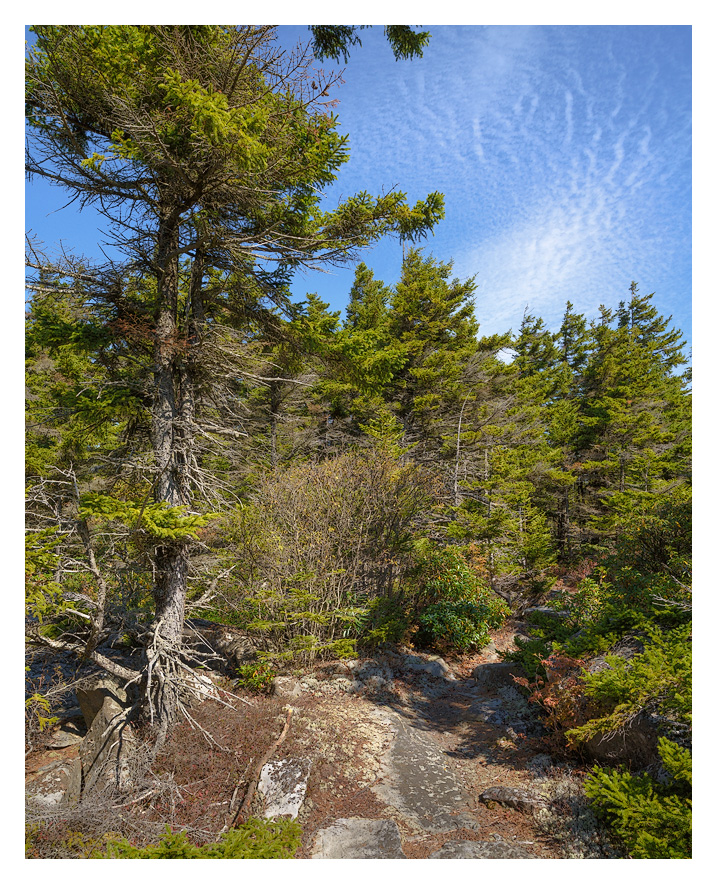 It was becoming obvious that this would be an unusual day.
21mm Zeiss Distagon ZF.2, Nikon 800e, Ps CS6.
The Centurion
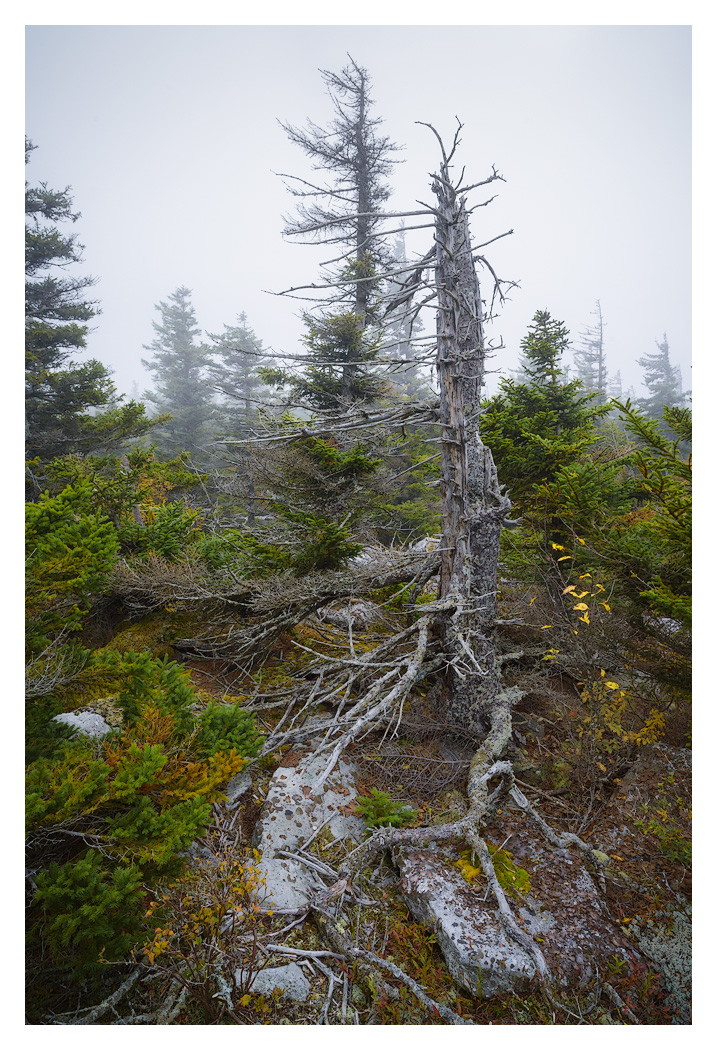 The Centurion guards the approach to The Gate. The weather here is always bad. If it is cloudy it will be windy with fog, cold rain, or snow. When the sky is clear it becomes a furnace with the rock reflecting heat and glare like refractory.
21mm Zeiss Distagon ZF.2, Nikon 800e, Lr4, Ps CS6.
The Two Sisters: Keepers of the Keys
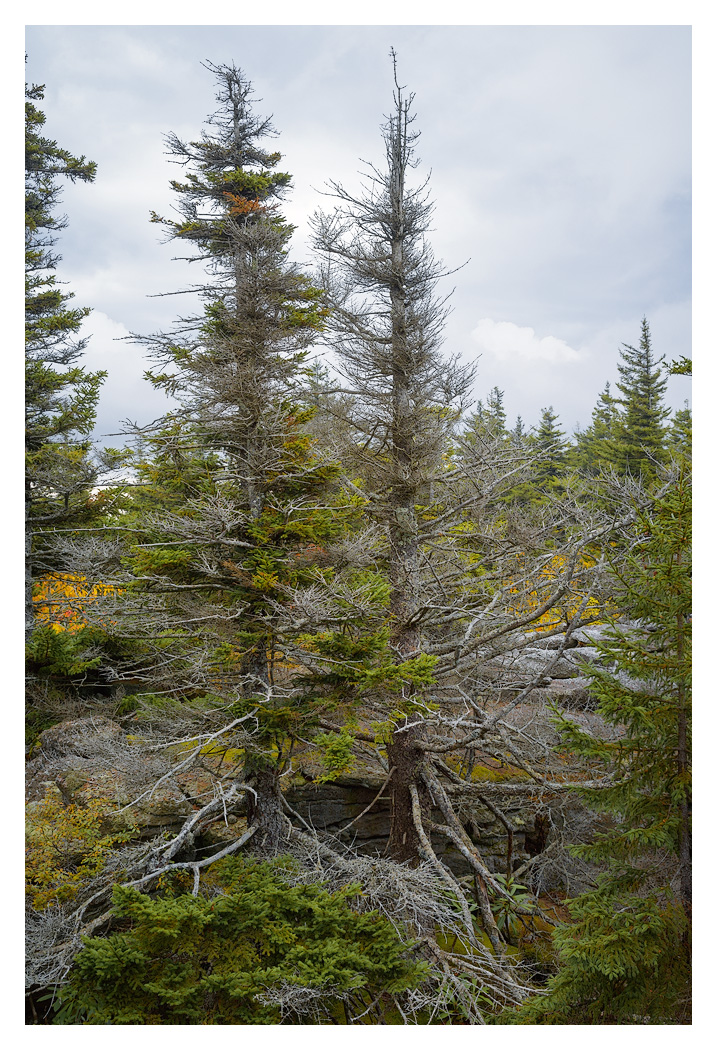 One must pass the Sisters to enter The Gate.
28-90mm Leica Vario-Elmarit, Nikon 800e, Lr4, Ps CS6.
Approaching The Gate – Revised
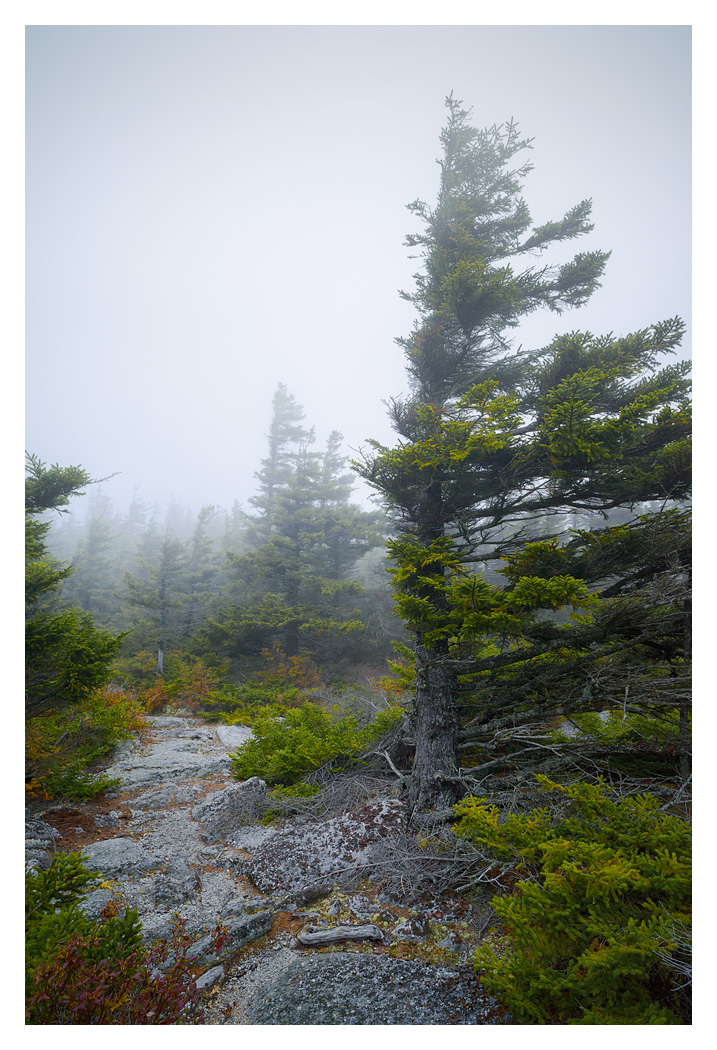
In no particular order… approaching The Gate.
I revised this on 10/27/13 and replaced the original file. You are looking at the revision.
21mm Zeiss Distagon ZF.2, Nikon 800e, Lr4, Ps CS6.
Prong Garden of Delights
 Along Prong Trail, just past The Gate. It is very garden-like from the trail-head for a mile or two until you reach the vicinity of The Gate. Here the highland the trail follows narrows to create an exposed area with a weather funnel on the western side. As a result The Gate area is much less garden-like with seriously flagged and stunted spruce and much exposed rock. But once through The Gate you are in this delightfully sheltered area. The shrubs in the middle ground are deciduous azaleas, probably sweet azalea Rhododendron arborescens. I have been here when they were blooming! The low fuzzy stuff is either moss (greenish) or reindeer moss (slightly lighter and bluish-and a lichen, Cladonia rangiferina or C. portentosa), depending on where you are looking.