Posts Tagged: Juniperus virginiana
Red Cedar – Study 1

Juniperus virginiana, at the Crossroads. 24-105mm Sony G, Sony a7R4, Lr C9, Ps CC21.
Red Cedar at the Crossroads
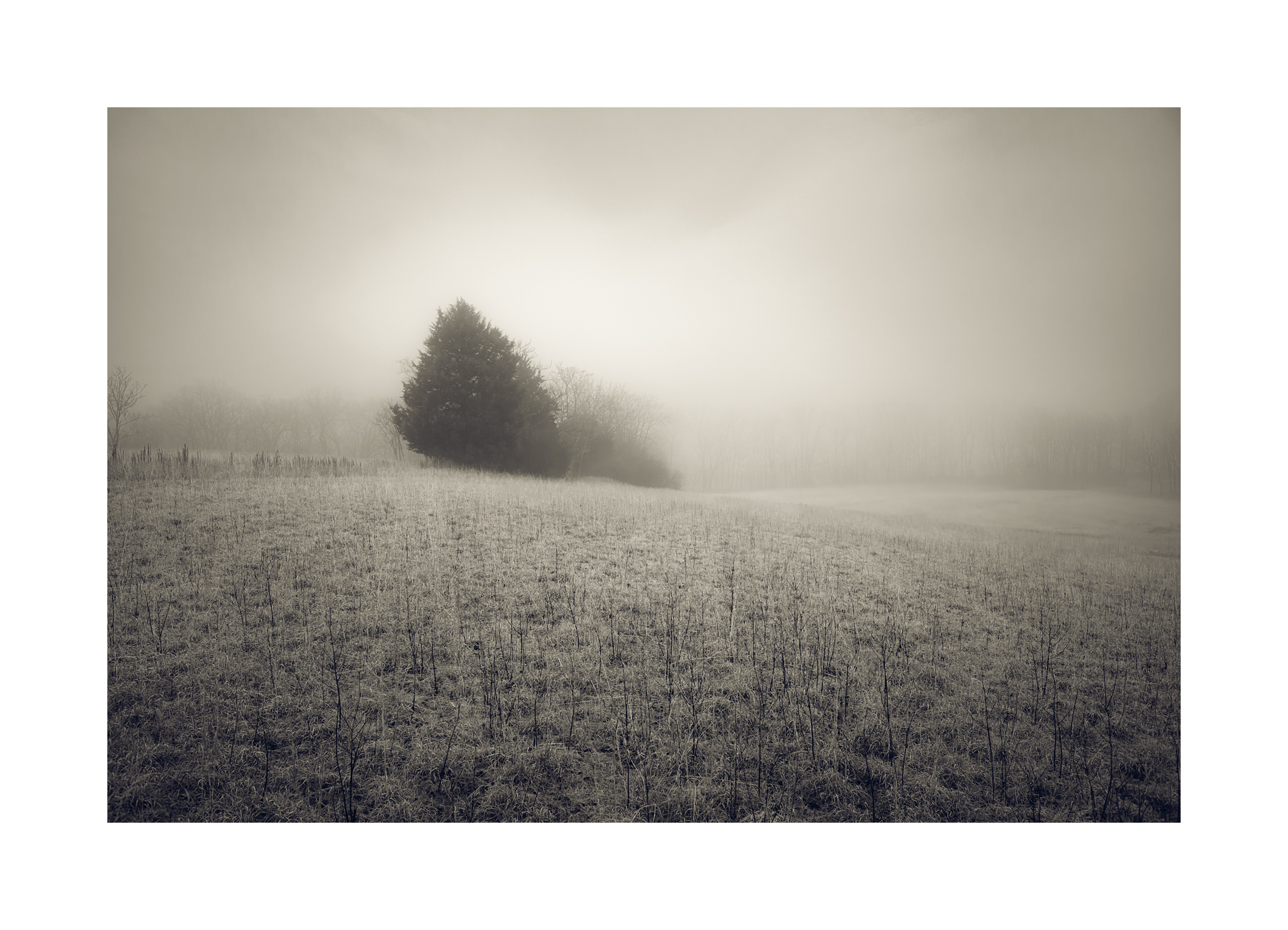
Juniperus virginiana. 28mm Zeiss Distagon CY, Sony a7R4, Lr C9, Ps CC21.
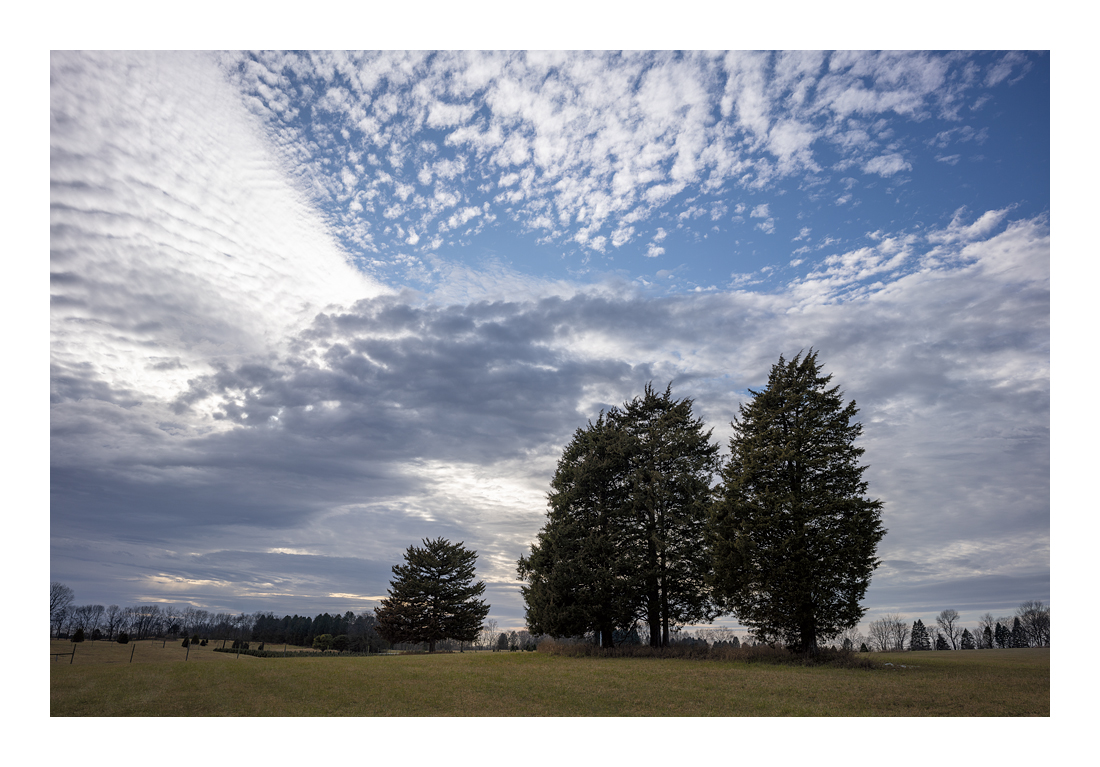
Red Cedars
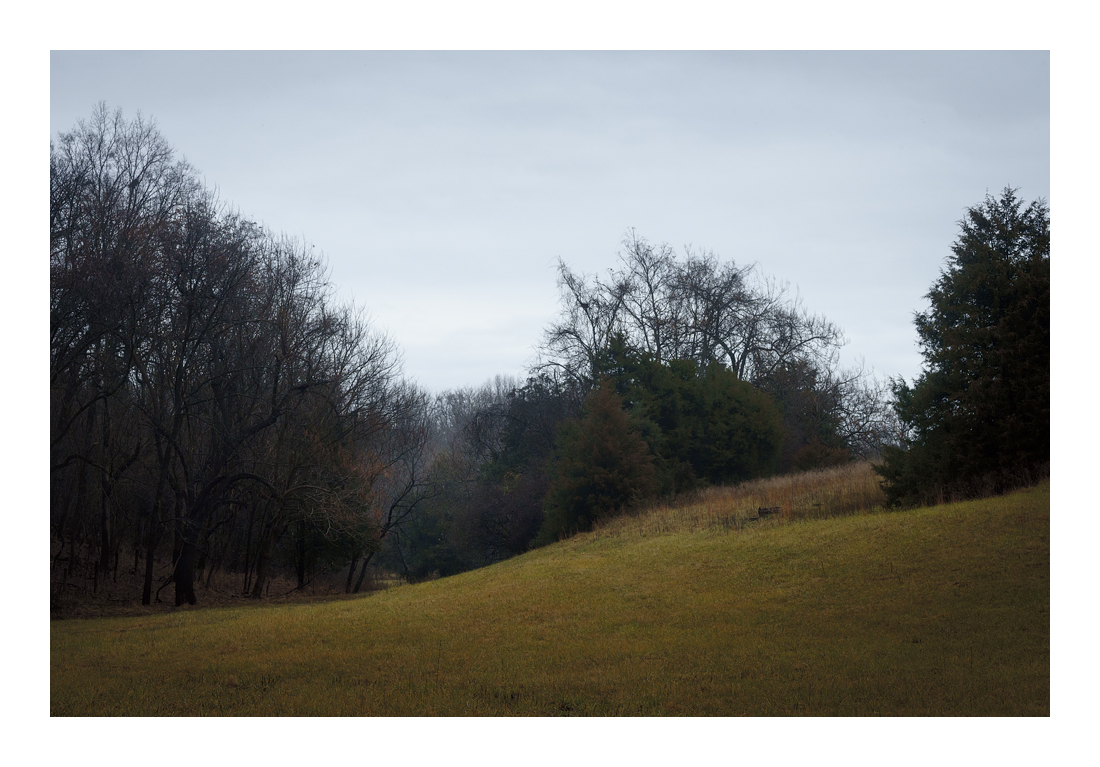
Juniperus virginiana in the rain. 28-90mm Leica Vario-Elmarit R, Sony a7R3, Lr C20, Ps CC20.
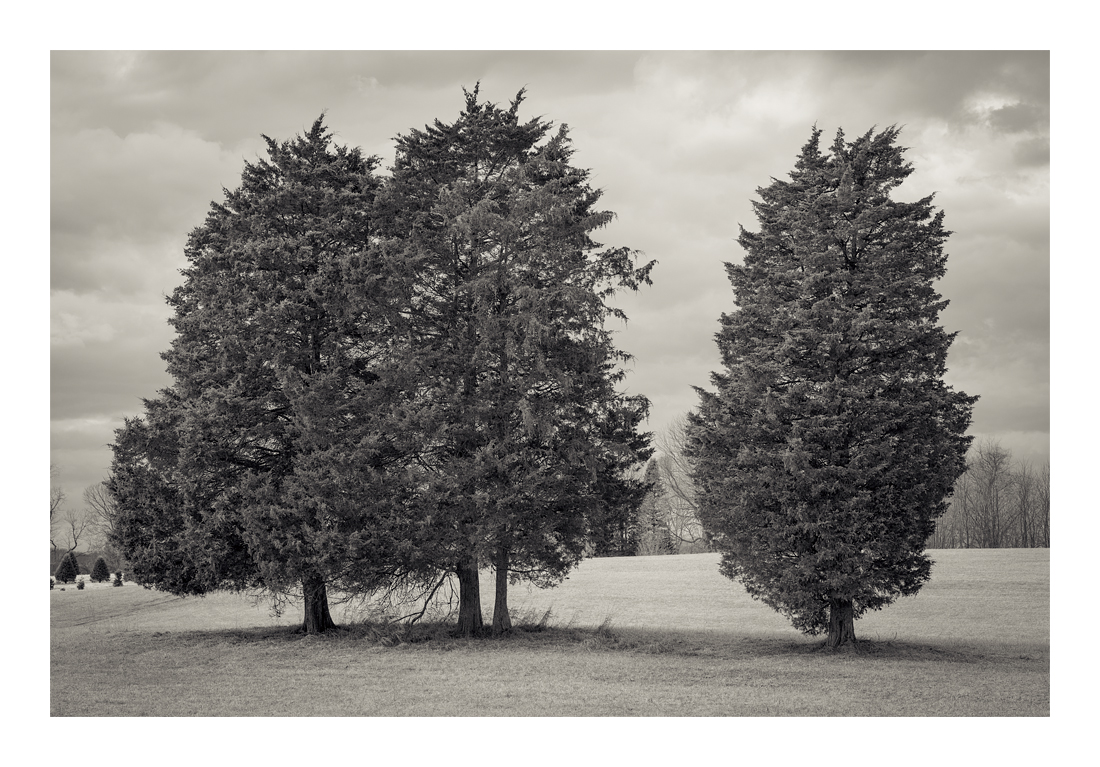
Red Cedars Near Antietam
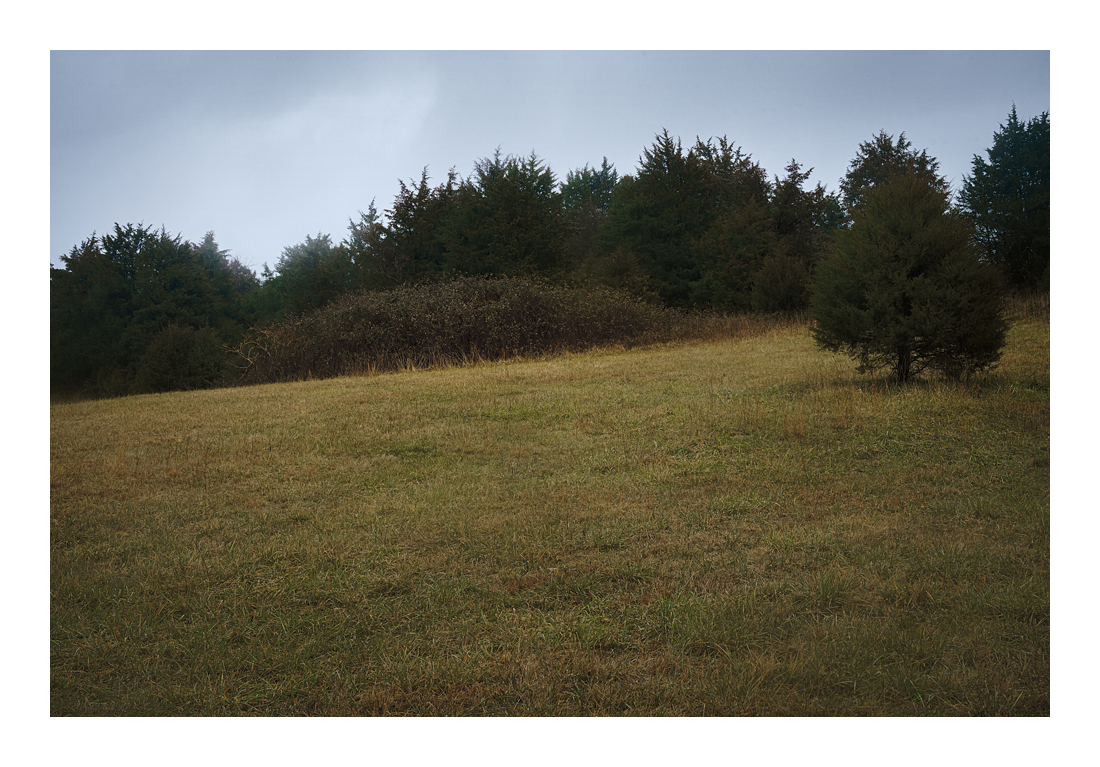
Juniperus virginiana. 28-90mm Leica Vario-Elmarit R, Sony a7R3, Lr C20, Ps CC20.
Red Cedar at Antietam
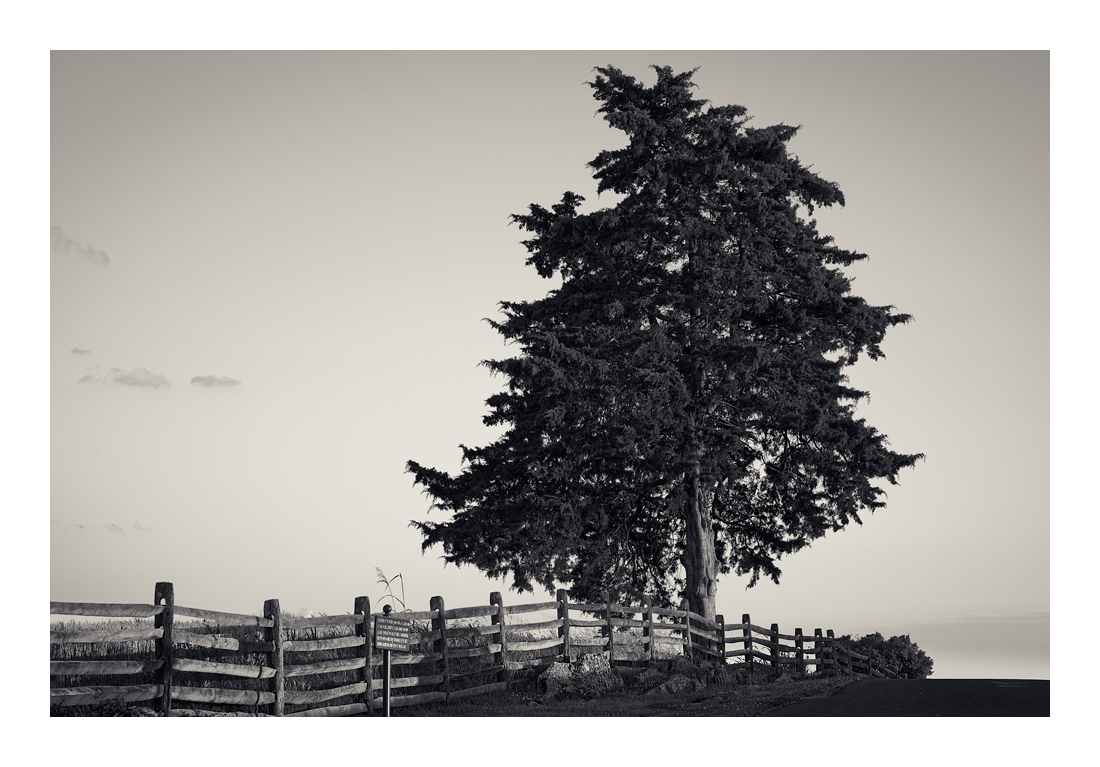 Juniperus virginiana 110mm Voigtlander APO Lanthar, Sony a7R3, DxO PhotoLab 2, Lr C, Ps CC
Black Locusts in Bloom
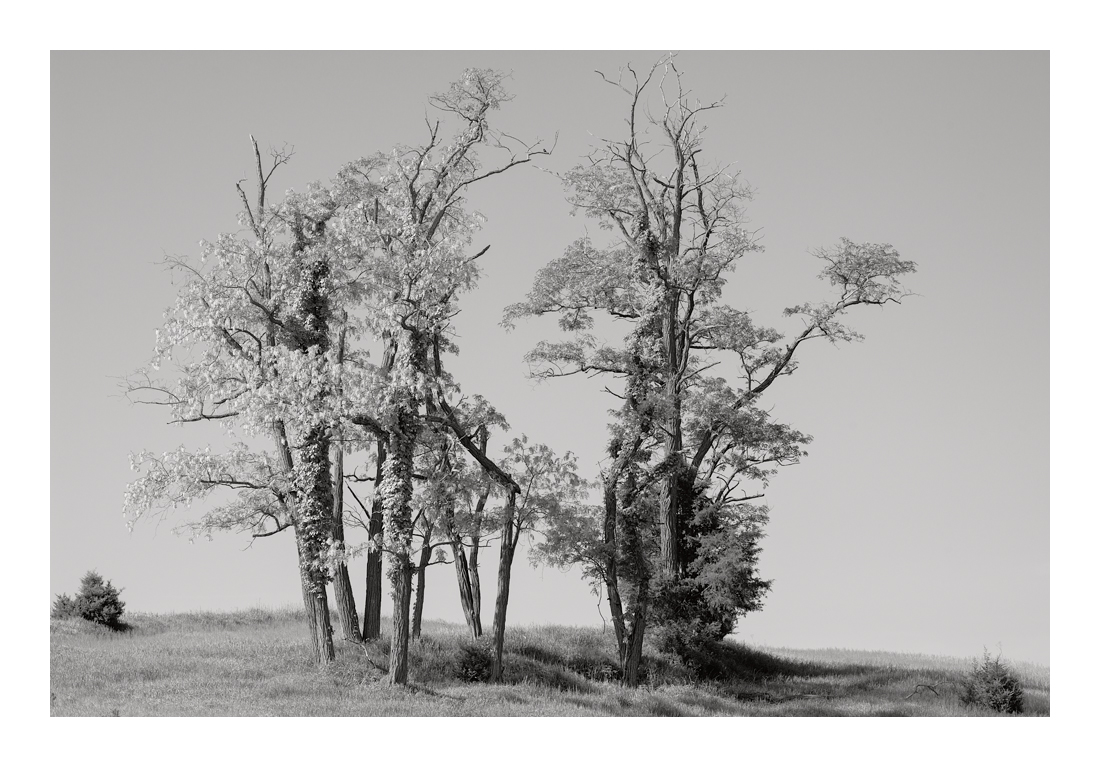
At Antietam, just off Bloody Lane. Robinia pseudoacacia, with red cedars, Juniperus virginiana.
150mm Pentax-A 645, Nikon 800e, Lr 5, Ps CS6.
More Foggy River
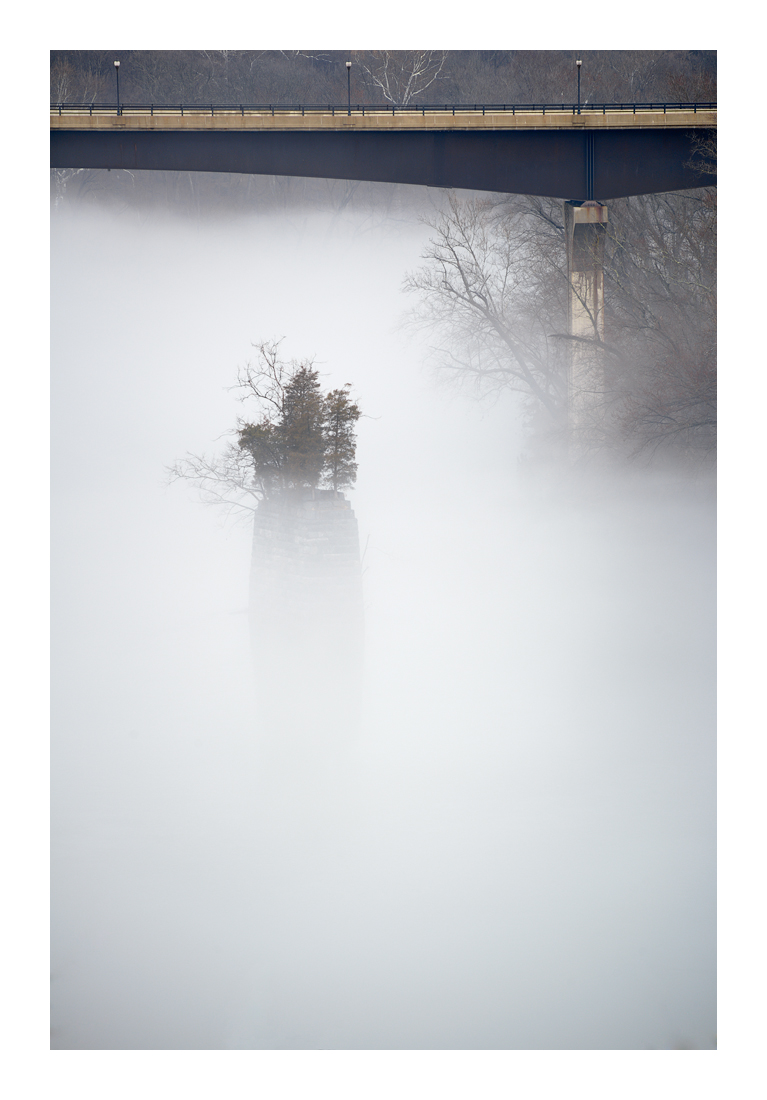 The Potomac at Shepherdstown from the Rumsey Monument. The trees that grow out of the tops of old bridge piers are really tough. You can imagine the hostile environment they endure. There can’t be much soil in those piers, so they probably get most of their water from river fog or direct rainfall on their foliage. The piers are made from limestone which will provide some nutrients. In this area is is mostly Red Cedar, Juniperus virginiana, and Hackberry, Celtis occidentalis and C. tenuifolia, that manage to survive in these locations.
80-200mm Zeiss Vario-Sonnar CY, Nikon 800e, Lr5, Ps CS6.
Schoolhouse Ridge South
 Schoolhouse Ridge is in Harpers Ferry National Historical Park. A Civil War battle was fought here. But my interest has more to do with forest regeneration and the photographic opportunities this presents. The tree in the foreground is a young eastern red cedar, Juniperus virginianna. The common name is a bit misleading since it is not a cedar, but a juniper. Nonetheless, it is the wood cedar chests are lined with and pencils were made from once.
Not many large red cedars are in this part of the country now because of a concerted effort to wipe them out, I believe shortly after the Civil War. The red cedar is a necessary alternate host for the apple cedar rust and this area has been orchard country for a long time.
This image is another in a series made with lenses at their maximum aperture, in this case ƒ2. I am intrigued by the softer presentation so created. It is a nice alternative to the crisp hyper-realism I have been caught up with since I started photographing in the 60’s. Now in the digital era it can be too much, too dry, leaving not much room for the imagination.
50mm Zeiss Makro-Planar ZF.2, Nikon 800e, Lr4, Ps CS6.